Best Cast Iron Cookware for Everyday Home Cooking
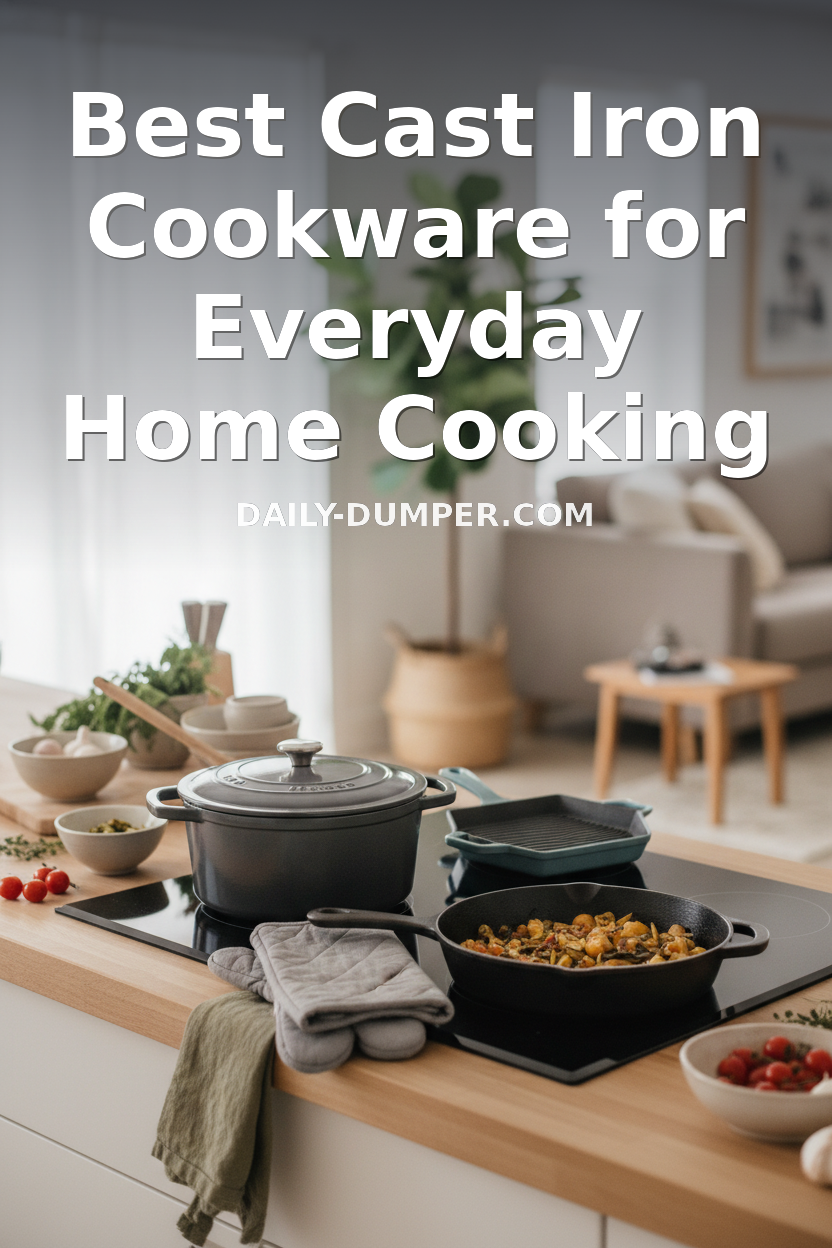
If you just want a straight answer: grab the Lodge 12-inch Pre-Seasoned Cast Iron Skillet. It's $24.98, ships ready to use, and will outlast everything else in your kitchen by decades. The other two products on this list are genuinely great for specific needs — read on if you want the details.
Lodge Seasoned Cast Iron Dual Handle Pan 12in
This is the pan you buy when you need a workhorse that handles high-heat roasting, cornbread, frittatas, or anything that needs to go from stovetop to oven to table. The dual helper handles make it far easier to move a heavy, food-loaded 12-inch pan — something the single-handle skillet can feel awkward with. It's also pre-seasoned with Lodge's vegetable oil finish, so you're not starting from scratch.
The tradeoff? Without a long handle, you lose a bit of the classic skillet versatility for everyday sautéing. But if you're doubling up on cast iron and want a specialty pan for oven-heavy cooking, this is the one to grab — especially at the same price as a single skillet.
Pros
- Dual handles make moving a full, hot pan much safer
- Excellent for oven roasting, braising, and baking
- Same great Lodge quality at $24.98
- Works on all cooktops including induction
- Pre-seasoned and ready to cook immediately
Cons
- No long handle — less ergonomic for stovetop flipping
- Heavy like all 12in cast iron (~8 lbs)
- Not the most versatile pick if you only own one pan
Lodge Cast Iron Combo Cooker 2-in-1 3.2qt + 10.25in Skillet
This is the sneaky-smart buy on the list. You get a 3.2-quart deep pot and a 10.25-inch skillet that doubles as a lid — either piece works independently on the stovetop, in the oven, or you nest them together to function like a Dutch oven. That makes it ideal for bread baking, slow-cooked stews, deep-frying, or braising. Basically two pans for less than the cost of most single Dutch ovens.
It's pricier than the standalone skillets, but the sheer flexibility here is hard to argue with. If you're building out a cast iron setup and want maximum coverage with minimal clutter, start here. The 10.25-inch skillet as a lid is a bit fiddly to handle at first, but you get used to it fast.
Pros
- Two fully functional pieces in one purchase
- Lid doubles as a skillet — zero wasted space
- Outstanding for no-knead bread baking
- Deep pot great for braising, soups, frying
- Excellent value compared to a standalone Dutch oven
Cons
- $59.90 is a bigger upfront spend
- 10.25in skillet is slightly smaller than the 12in options
- Combo lid/skillet setup takes a little getting used to
- Heavy combined weight when fully loaded
Lodge Pre-Seasoned Cast Iron Skillet 12in
This is the one. If you cook at home regularly and don't already own cast iron, stop overthinking it and buy this pan. Twenty-five bucks. Pre-seasoned with Lodge's proprietary vegetable oil blend. A single long handle that makes it easy to toss vegetables, sear steaks, bake skillet cookies, or fry eggs. Over 22,000 reviews at 4.8 stars isn't luck — it's the most battle-tested piece of cookware at this price point in existence.
The seasoning improves dramatically the more you cook with it. It's not non-stick out of the box (nothing cast iron is), but cook a few batches of bacon and some fatty foods early on and it gets there fast. The only real downsides are the weight and the fact that it needs hand-washing — but that's just cast iron, not a Lodge problem.
Pros
- The most versatile everyday cooking pan on this list
- Long handle ideal for stovetop use and safe transfers
- Pre-seasoned — usable right out of the box
- Works on gas, electric, ceramic, induction, and campfire
- Will genuinely last a lifetime with basic care
- $24.98 is an absurd deal for what you get
Cons
- Heavy (~8 lbs) — can be hard on wrists
- No lid included
- Needs hand-washing only — no dishwasher
- Not non-stick from day one; requires seasoning buildup
Our Pick Summary
Bottom LineFor most people: The Lodge 12-inch Pre-Seasoned Skillet at $24.98 is the right answer. It does everything a home cook needs day-to-day, and there's a reason it has 22,000+ reviews at 4.8 stars.
If you're building out your cast iron collection or want to bake no-knead bread, the Combo Cooker at $59.90 is the smart upgrade — you're essentially getting two pans for the price of one mid-range Dutch oven.
Buy the Dual Handle Pan if you already have a skillet and need something optimized for oven work — it excels at cornbread, roasting, and anything that stays stationary over heat.
Get the Lodge 12in Skillet →Frequently Asked Questions
Do you really need to season cast iron before using it?
If you buy Lodge, not really. Their pans come pre-seasoned with vegetable oil right from the factory. You can cook on them out of the box. That said, the seasoning gets noticeably better over the first several uses — especially if you cook fatty foods like bacon or sausage early on. Just don't use soap aggressively, dry it completely after washing, and rub a thin layer of oil on it while it's still warm. That's the whole maintenance routine.
Is cast iron actually better than non-stick for everyday cooking?
Depends on what "everyday" looks like for you. Non-stick wins for delicate eggs and fish with minimal oil — it's lighter and easier to clean. Cast iron wins for searing, high-heat cooking, anything going from stovetop to oven, and long-term durability. A non-stick pan needs replacing every few years. A well-maintained cast iron pan gets passed down. For most home cooks who want one versatile workhorse, cast iron is the better long-term investment.
Can you use cast iron on an induction cooktop?
Yes. Cast iron is magnetic, which is exactly what induction cooktops need to work. All three Lodge pans on this page are induction compatible. One heads-up: cast iron heats slower than induction-specific cookware but retains heat far better once it's hot. Give it a few extra minutes to preheat evenly and you'll get great results.