Best Chef's Knife for Home Cooks (2025)
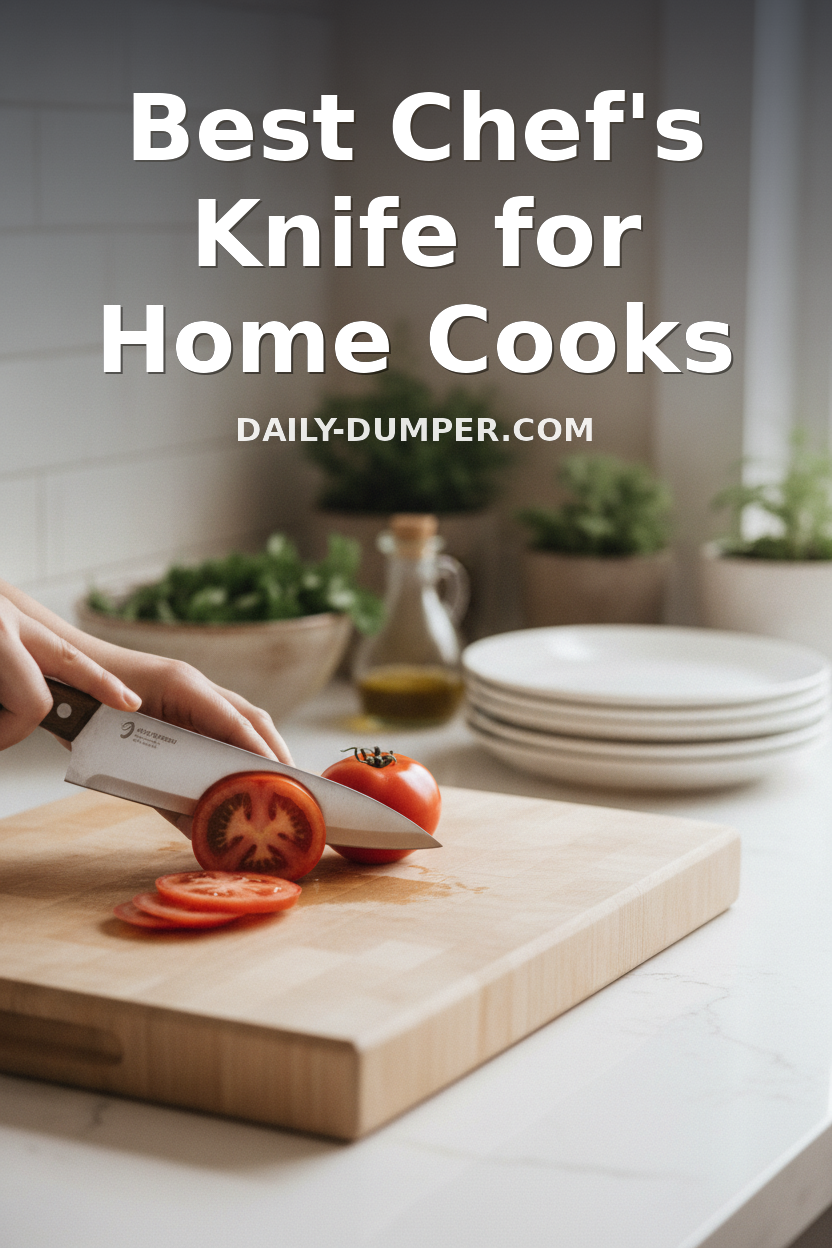
If you only buy one kitchen tool this year, make it a good chef's knife — and the Victorinox Fibrox Pro is the one most home cooks should get. It's not flashy, but it outperforms knives that cost twice as much where it actually matters: the cutting.
Victorinox Fibrox Pro Chef's Knife 8"
This is the knife used in culinary schools and professional kitchens on a budget — for a reason. The blade holds an edge well, the Fibrox handle is grippy even when wet, and the weight balance is just right for long prep sessions. It's not a status symbol, but it will make you a better cook.
For a home cook who wants a reliable workhorse without spending $100+, this is the honest answer. Buy it, use it daily, and sharpen it twice a year. That's the whole strategy.
Pros
- Excellent edge retention for the price
- Non-slip Fibrox handle is genuinely comfortable
- Lightweight — great for extended chopping
- NSF certified — built to professional standards
- Easy to resharpen at home
Cons
- Plain-looking — zero aesthetic appeal
- Softer steel means more frequent honing needed
- Plastic handle feel won't satisfy everyone
imarku Chef Knife 8" Ultra Sharp Steel
The imarku looks a lot more expensive than it is — full-tang, pakkawood handle, and a high-carbon German steel blade that arrives genuinely sharp out of the box. For the price, that first impression is hard to beat. It's a solid everyday knife that handles most kitchen tasks without complaint.
Where it loses points is consistency. The edge doesn't hold as long as the Victorinox, and some users find the blade geometry slightly thick behind the edge, which affects how smoothly it moves through dense vegetables. Good knife, but not perfect.
Pros
- Ships razor-sharp from the factory
- Attractive pakkawood handle — looks premium
- Full tang for solid balance and durability
- Comfortable for a wide variety of grip styles
Cons
- Edge dulls faster than expected with heavy use
- Blade can feel slightly thick for precision cuts
- Pakkawood handle requires careful drying after washing
PAUDIN Chef Knife 8" High Carbon Steel
The PAUDIN is an eye-catcher — the Damascus-style etched blade pattern and ergonomic handle look like something that belongs in a much higher price bracket. It's a capable knife, especially for someone who values aesthetics alongside function. Day-to-day chopping, slicing, and dicing? It handles all of it competently.
The honest caveat: the Damascus pattern is purely cosmetic — it's not true Damascus steel — and the edge retention is middle-of-the-pack. It's a great gift or a nice starter knife, but experienced cooks will eventually want something with better steel quality for sustained performance.
Pros
- Striking visual design — great as a gift
- Ergonomic handle reduces hand fatigue
- Decent sharpness straight from the box
- Affordable entry point for a good-looking knife
Cons
- Damascus pattern is cosmetic, not functional
- Edge retention lags behind the Victorinox
- Not ideal for heavy daily professional-style use
Our Pick: Victorinox Fibrox Pro
It's not exciting. It won't impress your dinner guests sitting on the counter. But the Victorinox Fibrox Pro is the most consistently reliable chef's knife at this price point, period. Culinary schools trust it. Professional prep cooks use it. That's more credibility than any marketing copy.
If you're buying one chef's knife for everyday home cooking — this is it. Spend the money you saved on better ingredients.
View on Amazon →Frequently Asked Questions
What size chef's knife is best for home cooks?
An 8-inch blade is the sweet spot for most home cooks. It's long enough to handle large vegetables and whole chickens, but short enough to stay nimble and easy to control. If you're cooking in a small kitchen or have smaller hands, a 6-inch can work — but 8 inches is the standard recommendation for good reason.
How often should a home cook sharpen their chef's knife?
For most home cooks, a proper sharpening (on a whetstone or pull-through sharpener) once or twice a year is enough. Between sharpenings, hone the blade with a honing rod every few uses to realign the edge. If your knife is struggling with tomatoes, it's past due for a sharpen.
Is German steel or Japanese steel better for a home cook?
German steel (like the Victorinox and imarku here) is softer, more forgiving, and easier to sharpen at home — which makes it a better fit for most home cooks. Japanese steel is harder, holds an edge longer, and makes for incredibly precise cuts, but it chips more easily and usually requires a whetstone to sharpen properly. Unless you're serious about knife care, German steel is the more practical choice.