Best Steam Mop for Tile Floors (2025): 3 Honest Picks
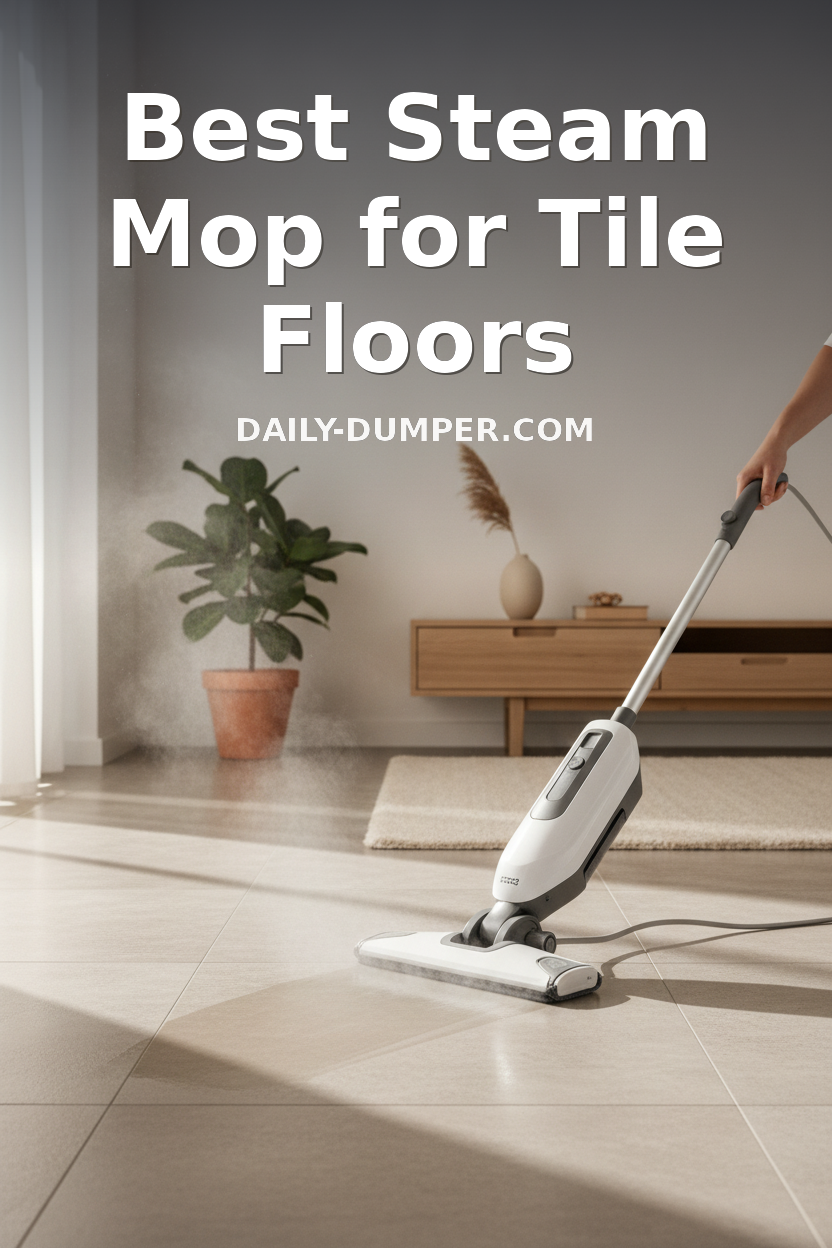
If you have tile floors and you're still mopping with a bucket and string mop, you're wasting time and leaving grime behind. The BISSELL PowerFresh 1940A is our top pick — it's reliable, affordable, and genuinely cleans tile grout without drama. Below are the only three steam mops worth your consideration right now.
Last updated: June 2025
Quick Picks
- 🏆 Best Overall: BISSELL PowerFresh Steam Mop 1940A
- ⚡ Best for Spot Cleaning: Shark SteamSpot S2001
- 🐾 Best for Pet Owners: BISSELL PowerFresh Pet 19404
BISSELL PowerFresh Steam Mop 1940A
This is the steam mop we'd buy with our own money, and for most people it's exactly enough. It heats up in about 30 seconds, the steam level is adjustable (important for tile), and the flip-down scrubber on the mop head actually gets into grout lines without you having to get on your hands and knees. It's not flashy. It just works.
The reusable pads hold up well over time, and the pivoting head gets under cabinets without making you contort yourself. At this price point, nothing else comes close for sealed tile floors.
Pros
- Heats up fast (~30 sec)
- Built-in scrubber for grout
- Adjustable steam settings
- Lightweight and easy to maneuver
- Washable, reusable pads included
- Solid price for the features
Cons
- Water tank is smallish (~400ml)
- Cord could be longer
- Not great on very uneven grout
Shark SteamSpot Steam Mop S2001
The Shark S2001 is more of a targeted spot cleaner than a full-floor steam mop — and that's actually its strength. If you have tile in a kitchen or bathroom and regularly deal with grease splashes, pet accidents, or small messes that need immediate attention, this thing is quick to deploy and effective. It's compact, heats up fast, and stores easily.
Where it falls short is coverage. Running this across an entire open-plan tile floor is tedious. Think of it as a supplement to a full mop, or a great pick for smaller tiled spaces like bathrooms and laundry rooms.
Pros
- Compact and easy to store
- Heats up very quickly
- Great for targeted spot treatment
- Simple, no-fuss operation
- Good for small tiled areas
Cons
- Not ideal for large floor areas
- Smaller pad coverage per pass
- No adjustable steam levels
- Less effective on heavy grime buildup
BISSELL PowerFresh Pet Steam Mop 19404
If you have pets, this is the version of the PowerFresh you want. The 19404 adds a few meaningful upgrades over the standard 1940A: it comes with a scrubbing pad designed specifically for pet messes, includes Febreze-scented pads that actually do cut through that lingering pet odor, and the overall cleaning performance on tile is just as strong. It's not a gimmick — the scented pads are a legit bonus when you're cleaning up after a dog or cat on a regular basis.
Yes, it costs a bit more. But if you're cleaning up fur, tracked-in dirt, and the occasional accident on tile, it earns the premium back pretty quickly.
Pros
- Everything good about the 1940A
- Pet-specific scrubbing pad included
- Febreze-scented pads cut pet odors
- Adjustable steam settings
- Washable pad included as well
- Built-in grout scrubber
Cons
- Slightly pricier than base 1940A
- Scented pads are consumables (you'll reorder)
- Same smallish water tank as base model
🏆 Our Pick Summary
For most households with tile floors, the BISSELL PowerFresh 1940A is the one to buy. It's the right balance of price, performance, and practicality. It heats fast, has adjustable steam, a built-in scrubber for grout, and doesn't weigh a ton. That covers 90% of people reading this page.
Have pets? Spend a little more on the 19404 Pet version — the odor-fighting pads are worth it and you get the same great floor performance.
Have a small bathroom or kitchen with spot-cleaning needs and already own a decent mop? The Shark SteamSpot S2001 earns its place as a compact, grab-and-go option. Just don't expect it to replace a full floor mop.
Frequently Asked Questions
Are steam mops safe to use on tile floors?
Yes — ceramic and porcelain tile are among the best surfaces for steam mops. Steam won't warp or damage tile the way it can damage hardwood or laminate. The only thing to be cautious about is grout: if your grout is old, cracked, or unsealed, repeated high-heat steam can loosen it over time. For sealed grout and intact tiles, steam mops are excellent. If you're unsure, test a small corner first and use a lower steam setting.
Can a steam mop actually clean tile grout?
Better than any regular mop, yes. Steam penetrates grout lines and loosens embedded dirt, bacteria, and grime that cold or warm water just pushes around. Models with a built-in scrubber tool (like the BISSELL PowerFresh 1940A) make a noticeable difference on stained grout. For heavy grout discoloration, you may still want to use a grout-specific cleaner occasionally — but for regular maintenance, a steam mop is a genuine upgrade.
Do I need to use distilled water in a steam mop?
Most manufacturers say tap water is fine, but if you're in a hard water area, mineral deposits will eventually build up in the tank and reduce steam output. Using distilled or filtered water extends the life of your steam mop significantly. It's a cheap habit that prevents a lot of headaches. A few models (like some Shark units) have built-in scale filters — if yours doesn't, just use distilled water and you're set.